


Follow ZDNET: Add us as a preferred source on Google.
ZDNET’s key takeaways
- American Airlines passengers are limited to two portable chargers.
- Portable chargers must be visible or within reach for the flight.
- Take care to ensure you follow specific rules and regulations.
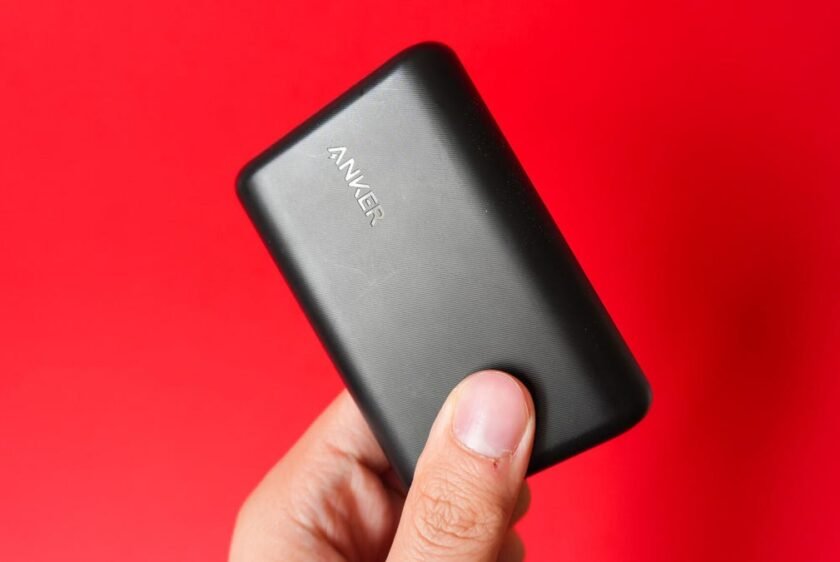
American Airlines introduced new restrictions on portable chargers that passengers can bring and use in-flight for charging their electronic devices, as of May 1.
The new rule, which is already in effect at the time of publication, stipulates that customers may carry only two power banks, which must be visible to airline staff while in use on flights. If the portable battery is not being used for charging, American Airlines told CBS News that chargers must remain within a passenger’s reach on the aircraft and cannot be stowed in an overhead bin.
Also: High-speed Starlink internet rollout on United Airlines planes begins – and it’s free
American is not the first carrier to revise or update its policies. Last June, Southwest Airlines became the first American-based carrier to enact portable power rules after unveiling a similar policy that prevents travelers from keeping devices tucked into carry-on or overhead bags while they are plugged in. Southwest’s policy still permits one charger per person on the aircraft, and like American Airlines, Southwest also requires passengers to keep portable chargers fully in sight while in use.
American’s policies specifically limit each person to two portable chargers, each of which may not exceed 100-watt-hour capacity. In addition to following the new guidelines to keep portable chargers visible or within reach, these devices may not be recharged aboard the aircraft.
Also: When is the best time to book your flight? Google just spilled its airfare secrets
These stipulations apply to any external power bank that can be plugged into electronic devices, and some suitcases that feature built-in charging ports powered by lithium-ion batteries.
Why is American making this change?
Remember, the Transportation Security Administration (TSA) already prevents portable chargers and other lithium batteries from being stored in your checked bags for safety purposes. So, what’s with all the changes regarding the use of portable chargers in-flight?
Lithium batteries power many portable chargers, and due to fire or combustion risk, airlines are striving to mitigate potential accidents or hazards before they occur. And with more savvy ways to charge on the go becoming the norm, there are more portable chargers on planes than ever before, and in turn, an increased number of chances for a lithium-battery malfunction.
The premise of these policies isn’t to necessarily eradicate lithium fires on planes. However, if a charger is always in sight or accessible, it’s much more likely that someone will spot a potential problem before it becomes a larger issue and handle the issue more quickly.
Also: How this travel company’s AI rollout drove a 73% satisfaction boost
While a major problem is rare, the National Business Aviation Association says, “a smoke, fire, or extreme heat incident involving lithium ion batteries takes place aboard an aircraft more than once per week on average in the US.”
What to keep in mind
If you’re traveling soon, it’s wise to verify your airline’s portable power policies before your departure. Southwest and American are the current US-based carriers with more restrictive policies, but many international airlines already have similar stipulations in place. You should verify the rules for each carrier you’ll be flying with, especially if you’re taking connecting flights.
If you have a suitcase with built-in lithium battery chargers, I would suggest researching a “dumber” option to either replace the suitcase or add something else to your travel repertoire so the restrictions aren’t an issue.
Also: 12 travel gadgets that can upgrade your spring break (and they’re on sale)
If you own a portable power bank you’ve traveled with previously and would like to continue using it, give it a quick scan to make sure it’s in good condition. Make sure there are no visible tears, frays, or breaks on connected cords or included cables, or any visible discoloration that looks like it could be from heat damage (burn marks, unexplainable discoloration, etc).
You’ll also want to verify battery wattage to ensure it matches your airline’s policy. This information is often printed on the back of power banks or can be found online by researching the brand and model number.
Also: These pocket-sized tech gadgets are packed with purpose (and they’re inexpensive)
Since American prohibits recharging portable batteries in-flight, make sure you boost up your battery at the gate or before you board the plane.
Portable power banks we recommend
Need a recommendation for a portable power bank? Here are some devices that ZDNET experts prefer:


 English