

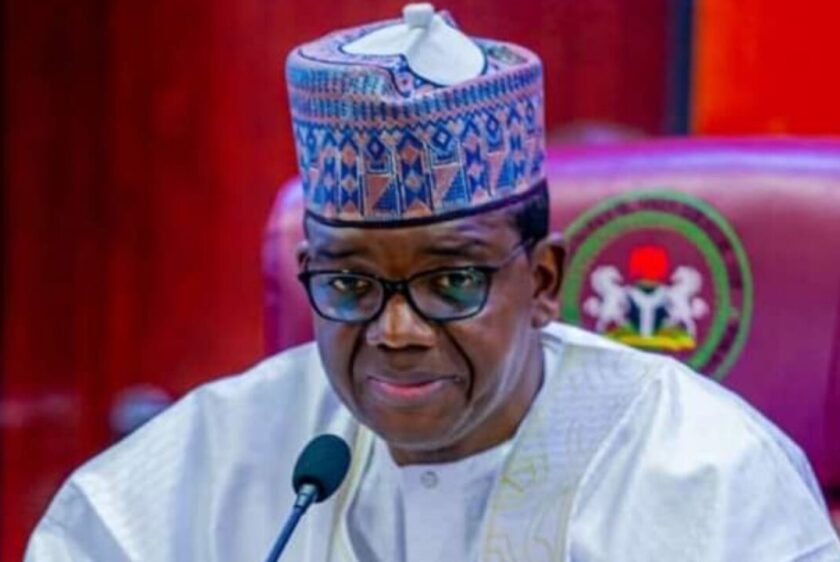
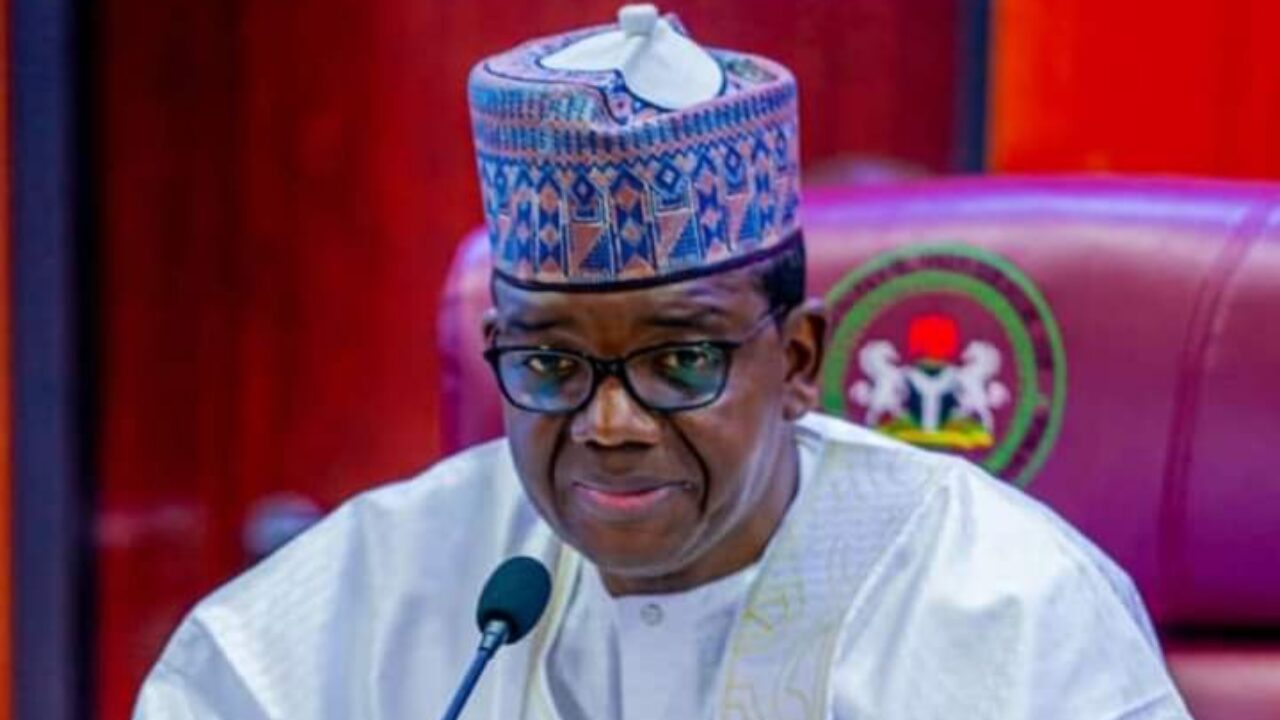
The Arewa Joint Initiative for Peace (AJIP) has rejected calls by the Coalition of Northern Groups (CNG) for the removal of the Minister of State for Defence, Mohammed Bello Matawalle, describing the campaign as a smear driven by ulterior political motives.
The group stated this during a press conference in Kaduna, where it accused CNG and what it termed “unpatriotic organisations” of engaging in misinformation and character assassination against the minister.
Speaking on behalf of the group, Ambassador Aminu Abbas Arabi said Matawalle had shown commitment to tackling insecurity in the North through security reforms, collaboration with security agencies and engagement with local communities.
According to him, the minister’s efforts had contributed to improvements in safety in several communities affected by banditry and violence, adding that attacking him amounted to undermining ongoing peace efforts in the region.
Arabi alleged that the actions of the CNG amounted to a political witch-hunt, insisting that the group was more interested in advancing self-serving agendas than addressing the real security and socio-economic challenges facing the North.
“The challenges confronting us require unity, not campaigns that sow division and distract from the urgent task of restoring peace and stability,” he said.
The AJIP spokesperson urged the CNG to reconsider its position and align with what he described as the collective interest of the region, warning that continued attacks on key figures in the security architecture could weaken the fight against insecurity.
The group also appealed to President Bola Tinubu to remain vigilant against what it called “political merchants,” and to continue supporting leaders committed to national security and stability.
AJIP reaffirmed its full support for Matawalle, urging political leaders, civil society groups and citizens to rally behind efforts aimed at promoting peace and unity in Northern Nigeria.
It called for sustained collaboration among stakeholders, stressing that only a united approach could address banditry, insurgency and other security challenges confronting the region.
![Nigerian Man Pulls Gun On VIO Officers During Roadside Clash In Abuja [Video]](https://zolairenergy.com/wp-content/uploads/2026/03/19860-nigerian-man-pulls-gun-on-vio-officers-during-roadside-clash-in-abuja-video-80x80.jpg)


 English