

This story was supported by the Pulitzer Center and The Uproot Project Environmental Justice Fellowship. It was produced by Grist and republished by Rest of World.
As W.H. Wong hugged his family goodbye before leaving for work on a quiet morning this spring, he felt a lump in his throat. He was headed more than 2,500 miles away, to an Indonesian island so remote that locals say it’s one of the places where spirits go to abandon their children.
After two weeks at home in Wenxi, a rural county of 350,000 in China’s northern Shanxi Province, the 39-year-old was once again making the grueling 36-hour journey to his job at the Indonesia Weda Bay Industrial Park, a sprawling compound of metal-processing industries in North Maluku, an eastern Indonesian archipelago.
Indonesia controls more than 40 percent of the world’s identified nickel, and the mountains that surround the industrial park in North Maluku contain the largest known deposit. To get there from China, Wong would first take two flights to cross the South China Sea to Manado, a beach town on the northern tip of Sulawesi, one of Indonesia’s largest islands. From there, he’d catch another flight to North Maluku, then a speedboat to the island of Halmahera. Another arduous three-hour journey across the island’s white beaches and lush hills would get him to the industrial park. It would be home for the next six months.
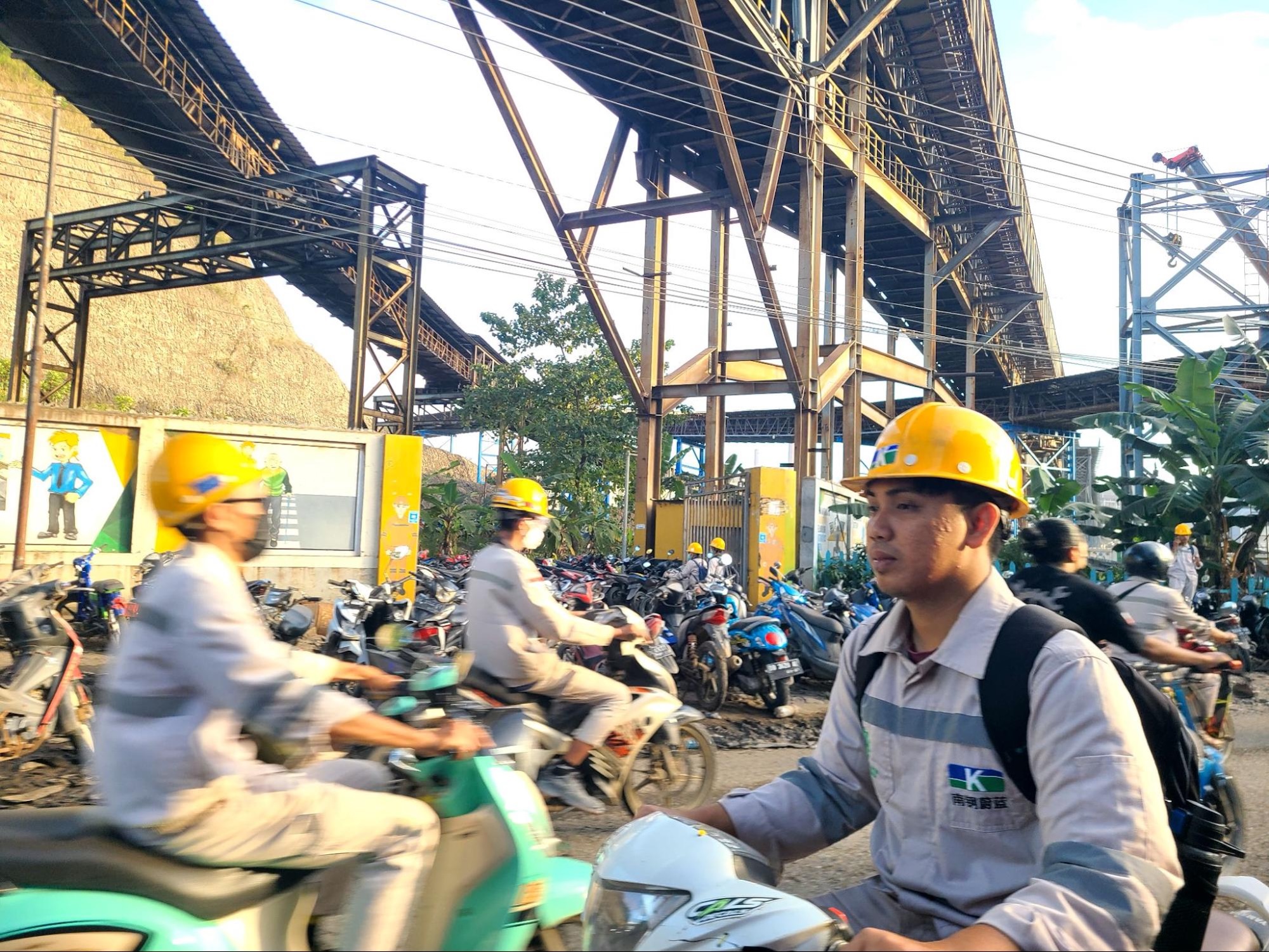
Clad in a navy blue, heat-resistant uniform and a yellow safety cap, Wong does 12-hour shifts operating one of the facility’s dozens of furnaces. He leads a team of nine Chinese and 16 Indonesian workers to produce nickel pig iron, which is used to make stainless steel and can be converted to nickel matte, a key cathode ingredient in the batteries used in electric vehicles. Wong averages more than 20,000 steps every shift, and he takes them in 90-degree heat and humidity so high it feels like walking through warm soup.
But the hardest part, he said, is being thousands of miles away from his wife and two kids for extended periods.
“If I could get a job that pays enough in China, I would have never left,” said Wong, who asked to be identified by his initials and last name for fear of retribution at work.
The project was poised to “contribute a lot to improvements, not only in occupational safety and health issues,” the officer told Grist. “Migration, workers’ living environment, and other issues would also be improved little by little. It is a shame that there are no more donors who are willing to work on this issue.” (On August 27, the Department of Labor started receiving applications for a new $9 million grant to promote fair and reliable critical mineral supply chains.)
Meanwhile, the Morowali industrial facilities continue to expand. In 2023, as part of the government’s review of a proposed 4,400-acre expansion of the complex, the industrial park’s environmental and corporate responsibilities team examined the ecological and public health impacts of the complex. The results of their review, which Grist obtained, suggest the facility’s harmful effects extend far outside factory walls.
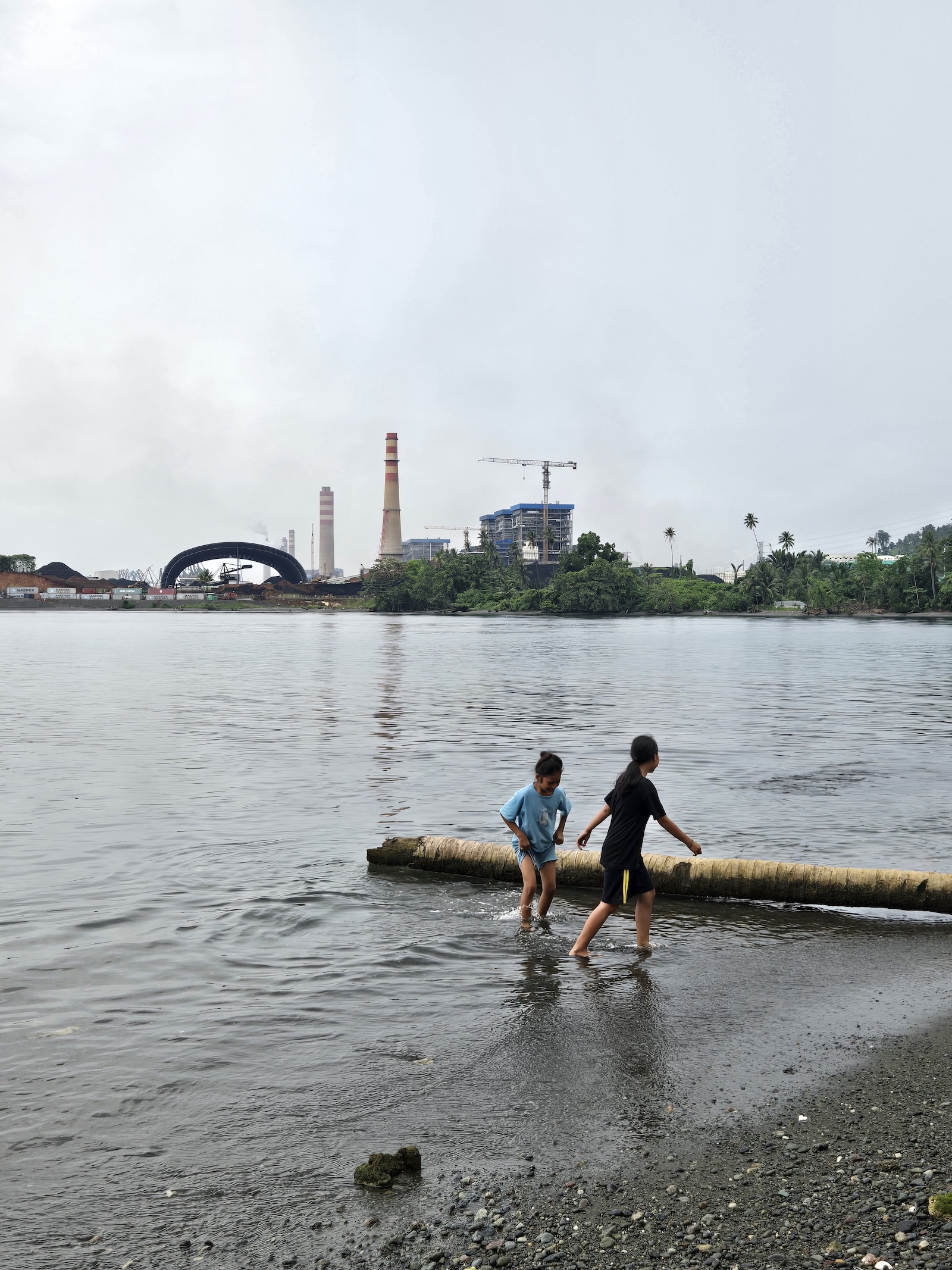
The review showed workers at the nickel-processing facilities, as well as residents nearby, were increasingly seeking care for respiratory diseases like tuberculosis, acute pharyngitis, and acute rhinitis. Despite the industrial park being operated by multi-billion dollar corporations, the villages surrounding it still lacked wastewater drainage systems and access to clean water. In six villages outside the complex, a quarter of the residents live less than 30 feet from polluted water sources, and 41 percent of the residents have symptoms of dry cough.
 Read More


 English