

The United Nations Development Programme (UNDP), the United Nations Capital Development Fund (UNCDF), and the World Resources Institute (WRI) have unveiled two climate-focused projects in Kenya, including a five-year, UN-backed financing plan worth between $40 million and $50 million to deploy about 68,000 electric two- and three-wheelers nationwide.
Funded through the Mitigation Action Facility, the initiatives aim to scale clean transport, reduce emissions, and enhance food security as part of Kenya’s push toward a green and inclusive economy.
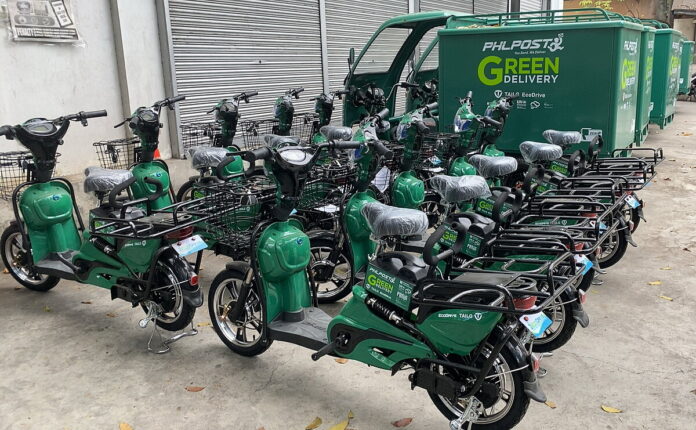
The flagship ‘Electrifying Kenya’s Two and Three Wheelers’ initiative will provide affordable financing mechanisms—including concessional loans, guarantees, and blended finance facilities—through local banks and leasing companies to make electric motorcycles and tuk-tuks accessible to riders, delivery operators, and SMEs.
The programme targets 68,000 electric vehicles across Kilifi, Kiambu, and Kajiado counties, creating approximately 68,000 direct green jobs, with 15% reserved for women, while reducing up to one million tonnes of CO₂ emissions over ten years.
“Kenya has a unique opportunity to design a clean and inclusive transport system,” said George Mwaniki, Country Representative for WRI Kenya. “By expanding access to EV financing, we can ensure that small businesses and everyday riders benefit directly while advancing the country’s climate ambitions.”
Kenya already sources around 90% of its electricity from renewables, giving it a natural advantage in electrifying transport. The initiative supports the country’s Enhanced Nationally Determined Contribution (NDC) target to cut greenhouse gas emissions by 32% by 2030.
Complementing the e-mobility programme, UNDP and UNCDF will deploy 1,000 solar-powered cold storage units across the country to address post-harvest food losses which is currently estimated at 40% and to improve incomes for 60,000 smallholder farmers.
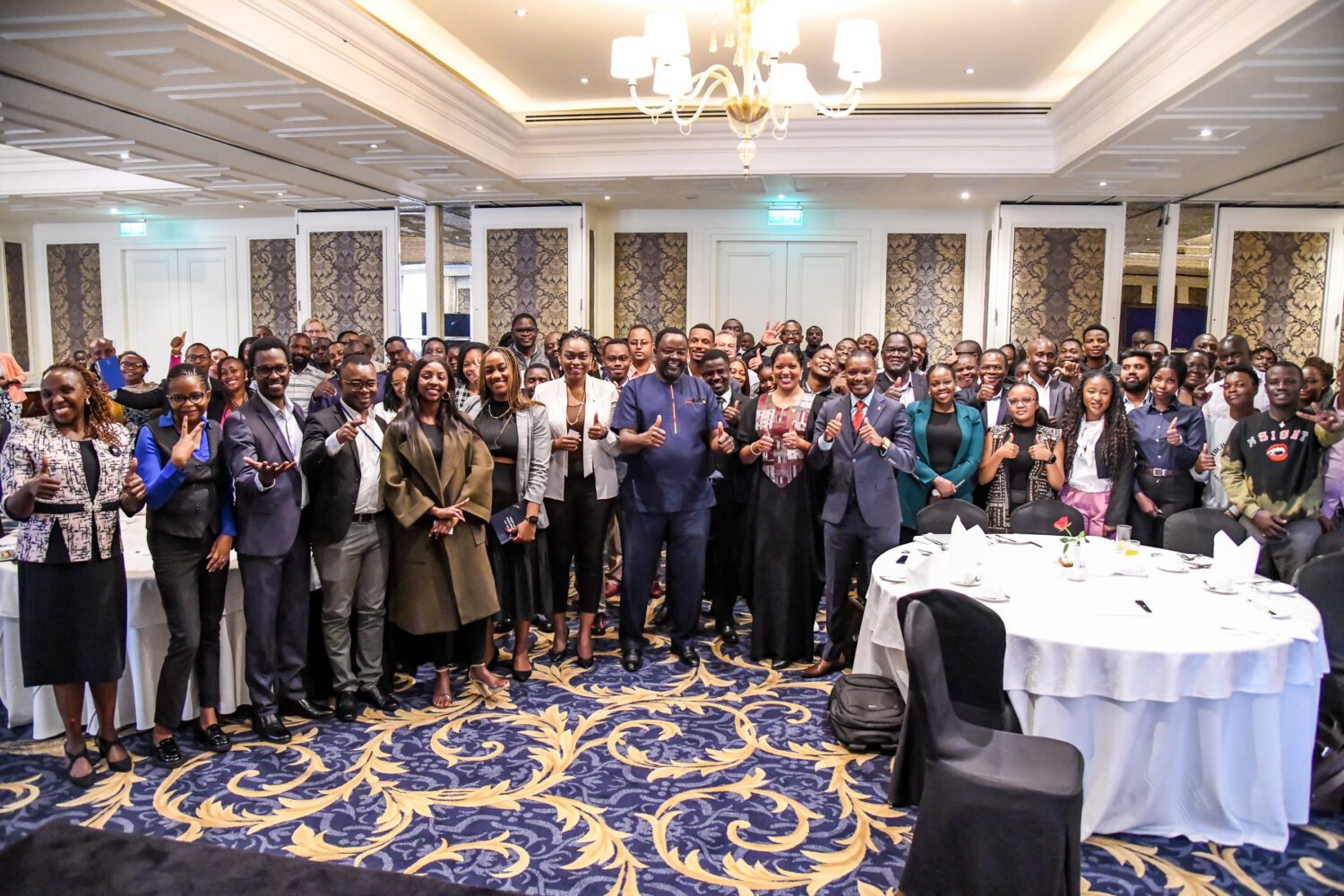
The project, also funded through the Mitigation Action Facility, will preserve 5,000 tons of food, prevent 4.8 million tonnes of CO₂e, and mobilize about EUR 27 million ($29 million) in private investment using a blended finance model.
“Kenya’s cold chain is a $2.1 billion opportunity to reduce waste, protect livelihoods, and strengthen rural economies,” said Dr. Jean Luc Stalon, UNDP Kenya Resident Representative. “By financing scalable cold storage, we can build resilience across food systems.”
Environment Principal Secretary Dr. Eng. Festus Ng’eno lauded the UN-backed initiatives as strategic investments that merge climate action with economic growth.
“By financing electric vehicles and solar-powered cold storage, we’re not only cutting emissions but also building local industries and creating green jobs,” Ng’eno said. “This is how sustainable development and climate goals move forward together.”
Both projects employ the Mitigation Action Facility’s blended finance model, combining public and private funds to de-risk investment and catalyse long-term, scalable climate impact. The approach supports Kenya’s ambitions to become a regional leader in sustainable transport and low-carbon agriculture.
Reading This Now 191


 English